
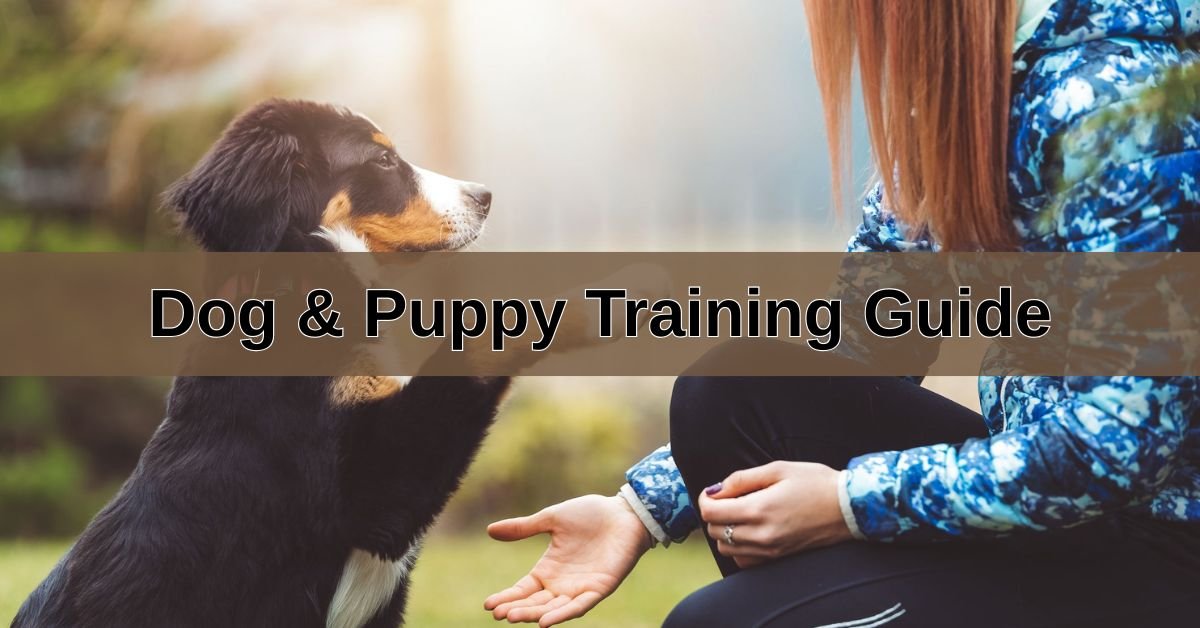
Bringing home a new puppy is one of life’s most joyful experiences—those wagging tails, clumsy paws, and puppy-dog eyes can melt anyone’s heart. But beneath all that cuteness lies a serious responsibility: training. Without proper guidance, that adorable bundle of energy can quickly develop habits that frustrate you and confuse them.
That’s exactly why this comprehensive puppy training guide exists. Whether you’re a first-time dog owner or adding a new furry friend to your family, this article will walk you through everything you need to know—from house training and crate training to socialization, obedience, and long-term care.
By the end of this guide, you’ll understand:
- The science behind effective dog training
- Step-by-step puppy training tips that actually work
- How to house train a puppy without stress
- Proven puppy crate training tips
- How to care for a puppy during those crucial early months
- Common mistakes to avoid and answers to your biggest questions
Let’s turn that energetic little furball into a well-behaved, happy companion.
Puppy Psychology Before You Start Training
Before diving into commands and routines, it’s essential to understand how puppies think and learn. Dogs are not small humans—they live in the moment and learn through association, repetition, and reward.
The Critical Socialization Window
According to veterinary behaviorists, puppies have a critical socialization period between 3 and 14 weeks of age. During this window, puppies are most open to new experiences—people, sounds, environments, and other animals. Positive exposure during this time helps prevent fear-based behaviors and aggression later in life.
The American Veterinary Society of Animal Behavior (AVSAB) strongly emphasizes early socialization as a foundation for a confident, balanced dog.
How Dogs Learn: Positive Reinforcement
Modern, science-based training relies on positive reinforcement—rewarding desired behaviors so they’re more likely to be repeated. Studies consistently show that reward-based training is more effective and humane than punishment-based methods, which can increase anxiety and aggression.
Expert Insight: “Punishment may suppress a behavior temporarily, but it doesn’t teach the dog what to do instead. Rewarding good behavior builds trust and accelerates learning.” — Certified Professional Dog Trainer perspective.
How to Care for a Puppy: Building the Foundation
You can’t train a puppy effectively if its basic needs aren’t met. Understanding how to care for a puppy is the first step toward successful training.
1. Nutrition Matters
Feed your puppy a high-quality, age-appropriate diet. Puppies require more protein, fat, and calories than adult dogs to support rapid growth. Stick to a consistent feeding schedule—typically three to four meals a day for young puppies.
2. Veterinary Care and Vaccinations
Schedule a vet visit within the first week of bringing your puppy home. Core vaccinations, deworming, and flea/tick prevention are essential. Regular checkups also help catch health issues early.
3. Sleep and Rest
Puppies sleep 18–20 hours a day. Adequate rest is crucial for brain development and learning. A tired, overstimulated puppy struggles to absorb training.
4. Exercise and Mental Stimulation
Physical activity and mental enrichment (puzzle toys, chew toys, short training sessions) prevent boredom and destructive behavior. A mentally engaged puppy is a well-behaved puppy.
How to House Train a Puppy: Step-by-Step
One of the biggest challenges new owners face is potty training. Learning how to house train a puppy requires consistency, patience, and a clear routine.
Step 1: Establish a Schedule
Take your puppy outside:
- First thing in the morning
- After every meal
- After naps and play sessions
- Before bedtime
- Every 1–2 hours for young puppies
Puppies can typically hold their bladder for one hour per month of age (e.g., a 3-month-old puppy can hold it for about three hours).
Step 2: Choose a Designated Potty Spot
Take your puppy to the same outdoor area each time. The familiar scent will encourage them to go.
Step 3: Reward Immediately
The moment your puppy finishes eliminating outside, praise enthusiastically and offer a small treat. Timing is everything—reward within 3 seconds so they connect the action with the reward.
Step 4: Handle Accidents Calmly
Accidents will happen. Never punish your puppy after the fact—they won’t understand. Instead, clean the area thoroughly with an enzymatic cleaner to remove odors that might attract repeat accidents.
Step 5: Watch for Signals
Learn your puppy’s “I need to go” signals: sniffing, circling, whining, or heading toward the door. Acting quickly reinforces good habits.
Puppy Crate Training Tips: Creating a Safe Haven
Crate training is one of the most valuable tools in your training arsenal. When done correctly, a crate becomes a cozy den—not a punishment. Here are essential puppy crate training tips to get it right.
Why Crate Training Works
Dogs are den animals by instinct. A properly introduced crate provides security, aids house training (dogs avoid soiling their sleeping area), and keeps your puppy safe when unsupervised.
How to Crate Train Step by Step
- Choose the right size. The crate should be big enough for your puppy to stand, turn around, and lie down—but not so large that they can use one corner as a bathroom.
- Make it inviting. Add a soft blanket, a favorite toy, and leave the door open initially.
- Use positive associations. Toss treats inside and feed meals near or in the crate.
- Start with short sessions. Begin with a few minutes, gradually increasing duration as your puppy becomes comfortable.
- Never use the crate as punishment. This creates negative associations and undermines trust.
- Ignore whining (within reason). Once you’re sure your puppy doesn’t need a potty break, avoid rewarding whining by letting them out immediately.
Pro Tip: Cover part of the crate with a breathable blanket to create a den-like, calming environment.
Essential Puppy Training Tips: Teaching Basic Commands
Now for the fun part—teaching your puppy obedience commands. These foundational puppy training tips will set your dog up for a lifetime of good behavior.
“Sit”
- Hold a treat near your puppy’s nose.
- Slowly raise it above their head; their bottom will naturally lower.
- The moment they sit, say “Sit,” reward, and praise.
“Stay”
- Ask your puppy to sit.
- Open your palm and say “Stay.”
- Take one step back. If they hold, reward.
- Gradually increase distance and duration.
“Come” (Recall)
- Get down to their level and say “Come” in an excited tone.
- Reward generously when they reach you.
- Practice in a safe, enclosed area before trying it off-leash.
“Leave It”
- Place a treat in your closed fist.
- Let your puppy sniff but don’t open your hand.
- When they stop trying and back away, reward with a different treat.
Keep Sessions Short and Fun
Puppies have short attention spans. Keep training sessions to 5–10 minutes, several times a day. Always end on a positive note.
Real-Life Example: Bella’s Transformation
To illustrate how these methods work in practice, consider Bella, a 10-week-old Labrador mix.
When Bella’s owners brought her home, she had frequent accidents and barked through the night. By implementing a strict potty schedule, introducing crate training with positive associations, and using reward-based obedience training, the results were remarkable:
- Week 1: Established feeding and potty schedule; Bella had 5–6 accidents.
- Week 3: Accidents dropped to 1–2 per week; Bella slept calmly in her crate.
- Week 6: Bella was fully house trained and knew “sit,” “stay,” and “come.”
The key? Consistency, patience, and positive reinforcement. Bella’s story reflects what thousands of dog owners experience when they follow a structured plan.
Pros and Cons of Different Training Approaches
| Training Method | Pros | Cons |
| Positive Reinforcement | Builds trust, humane, effective long-term | Requires patience and consistency |
| Clicker Training | Precise timing, fun for dogs | Requires learning clicker technique |
| Crate Training | Aids house training, provides security | Requires gradual introduction |
| Group Classes | Socialization, expert guidance | Costs money, scheduled times |
| Punishment-Based | May stop behavior short-term | Increases fear/aggression, not recommended |
Common Puppy Training Mistakes to Avoid
Even well-meaning owners make mistakes. Watch out for these:
- Inconsistency: Mixed signals confuse your puppy. Everyone in the household should use the same commands.
- Punishing after the fact: Dogs can’t connect delayed punishment to past actions.
- Skipping socialization: Leads to fear and behavioral issues.
- Overtraining: Long sessions cause frustration and burnout.
- Neglecting exercise: A bored puppy becomes a destructive puppy.
Conclusion
Training your puppy is a rewarding journey that strengthens the bond between you and your furry companion. By understanding puppy psychology, meeting their basic needs, and applying consistent, positive reinforcement, you’ll set the foundation for a happy, well-behaved dog.
Remember the core principles from this puppy training guide:
- Start early and prioritize socialization
- Be consistent with routines and commands
- Use positive reinforcement, not punishment
- Practice patience—every puppy learns at its own pace
- Make training fun for both you and your pup
Whether you’re mastering how to house train a puppy, following essential puppy crate training tips, or learning how to care for a puppy, the secret ingredient is always love, consistency, and dedication.
Frequently Asked Questions (FAQs)
At what age should I start training my puppy?
You can begin basic training and socialization as early as 8 weeks old. Puppies are capable of learning simple commands and house training routines right away.
How long does it take to house train a puppy?
Most puppies are reliably house trained within 4 to 6 months, though it varies by breed, consistency, and individual temperament.
Is crate training cruel?
No. When done correctly, crate training provides security and comfort. The crate should never be used as punishment or for extended confinement.
How many treats should I use during training?
Use small, low-calorie treats and adjust meal portions accordingly to prevent overfeeding. As your puppy masters a command, gradually reduce treat frequency and rely more on praise.
Should I hire a professional trainer?
If you’re struggling or dealing with behavioral issues like aggression or severe anxiety, consulting a certified professional trainer or veterinary behaviorist is highly recommended. (Find certified trainers via the AKC.
What if my puppy won’t stop biting?
Puppy nipping is normal during teething. Redirect biting to appropriate chew toys and use the “yelp and ignore” method to teach bite inhibition.